


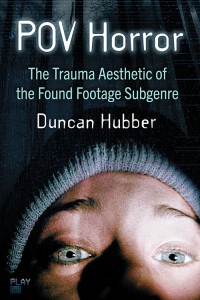
POV Horror
The Trauma Aesthetic of the Found Footage Subgenre


 (0 vote)
Average rating:
| 0 | rating |  = We can do without = We can do without |
| 0 | rating |  = Good book = Good book |
| 0 | rating |  = Excellent book = Excellent book |
| 0 | rating |  = Unique / a reference = Unique / a reference |
Your rating: -
Book Presentation:
Drawing together strands of film theory and psychology, this book offers a fresh assessment of the found footage horror subgenre. It reconceptualizes landmark films—including The Blair Witch Project (1999), Cloverfield (2008), Paranormal Activity (2009), and Man Bites Dog (1992)—as depictions of the lived experience and social legacy of psychological trauma. The author demonstrates how the frantic cinematography and ambiguous formulation of the monster evokes the shocked and disoriented cognition of the traumatized mind. Moreover, the frightening effect of trauma on society is shown to be a recurring theme across the subgenre. Close textual analysis is given to a wide range of films over several decades, including titles that have yet to receive any academic attention.
Divided into four distinct sections, the book examines how found footage horror films represent the effects of historical and contemporary traumatic events on Western societies, the vicarious spread of traumatic experiences via mass media, the sublimation of domestic abuse into haunted houses, and the viewer’s identification with the monster as an embodiment of perpetrator trauma.
About the Author:
Duncan Hubber is an academic at the University of Queensland whose research areas include found footage horror films, screen trauma theory, the cinematic representation of urban spaces, and the collision of romanticism and postmodernism in fantasy literature.
Press Reviews:
• "Will be indispensable to the academic study of contemporary horror cinema."—Kevin Heffernan, author of Ghouls, Gimmicks and Gold: Horror Films and the American Movie Business, 1952–1968
• "A significant contribution to the study of the connection between horror cinema and trauma studies."—Shellie McMurdo, University of Hertfordshire
> On a related topic:
Horror Films by Subgenre (2016)
A Viewer's Guide
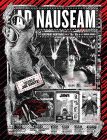
Ad Nauseam (2026)
Newsprint Nightmares from the '70s and '80s
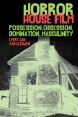
Horror House Film (2026)
Possession, Obsession, Domination, Masculinity
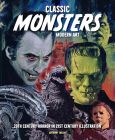
Classic Monsters, Modern Art (2026)
20th Century Horror in 21st Century Illustration
The US-Mexico Borderlands in Contemporary Horror (2026)
Crossing the Boundary
Last Orgy by the Cemetery (2026)
A 'Video Nasties' Synopsis, Film By Shocking Film!
by David Kerekes and David Slater
 Back
Back

