


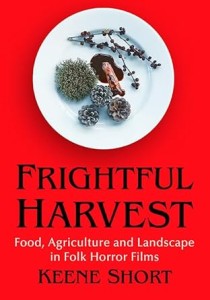
Frightful Harvest
Food, Agriculture and Landscape in Folk Horror Films
by Keene Short


 (0 vote)
Average rating:
| 0 | rating |  = We can do without = We can do without |
| 0 | rating |  = Good book = Good book |
| 0 | rating |  = Excellent book = Excellent book |
| 0 | rating |  = Unique / a reference = Unique / a reference |
Your rating: -
Book Presentation:
This work tracks folk horror's development, highlighting its shifting relationships between humans and land, agriculture and food. Also discussed is folk horror's rustic, rural and spiritual aesthetics as a response to extreme natural and cultural phenomena such as climate change, the Global War on Terror and the Covid-19 pandemic.
With chapters ranging from classics of the 1970s to the folk horror revival of the 2010s, this book also examines the genre's resonance across cultural trends, including cottagecore nostalgia, conspiracy subcultures and neoliberalism. It concludes with contemporary expressions of folk horror in popular culture and online media, from wellness mysticism to political backlash. By analyzing the genre in response to crises and cultural shifts, it illuminates folk horror's connections to culture, economy and environment.
About the Author:
Keene Short teaches English at the University of Southern Indiana and has a background in ecocriticism, history, and creative writing.
Press Reviews:
"An effective and well-researched discussion of folk horror cinema that fuses close readings of films with historical, sociocultural and environmental analysis. The diversity of texts and approaches, in addition to situating folk horror in relation to the texts and intertexts more immediately associated with the sub-genre, is a real strength of the book."―Reece Goodall, University of Warwick
> On a related topic:

Monstrous Nature (2016)
Environment and Horror on the Big Screen
by Robin L. Murray and Joseph K. Heumann
Ad Nauseam (2026)
Newsprint Nightmares from the '70s and '80s
Horror House Film (2026)
Possession, Obsession, Domination, Masculinity
Classic Monsters, Modern Art (2026)
20th Century Horror in 21st Century Illustration
The US-Mexico Borderlands in Contemporary Horror (2026)
Crossing the Boundary
 Back
Back

