

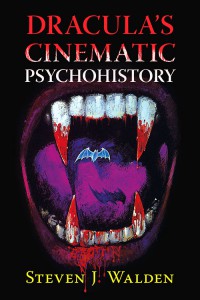
Dracula's Cinematic Psychohistory


 (0 vote)
Average rating:
| 0 | rating |  = We can do without = We can do without |
| 0 | rating |  = Good book = Good book |
| 0 | rating |  = Excellent book = Excellent book |
| 0 | rating |  = Unique / a reference = Unique / a reference |
Your rating: -
Book Presentation:
Dracula’s pervasion of Western culture occurs at the intersection of emotive responses and sociocultural cues affecting his movie viewers. The psychohistoricist exploration of Dracula’s movie history in this book is drawn from that tensile dynamic between historicism and psychoanalysis. The intention is not to locate Dracula’s movie cycles as causal or symptomatic of historical sociocultural shifts or even the psychological tensions that underpin them, but to view them as reflective of the interplay between film-as-art and their psychosocial milieu as refracted through the psychoanalytical lens. Dracula is a recognized, resilient and recurrent cultural property. He is idolized, loved, vilified and hated as a multifaceted perennial narrative focus. Dracula’s movies can thus be read as a cultural barometer, reflecting the culture we create and recreate, in his many cinematic guises of being attractive and terrifying, antihero and villain, lover and monster, even victim and stooge. This book follows Dracula’s cinematic journey, finding new ways to explore how he continues to tap into the ever-changing collective psyche of his viewers. It can be speculated that many of those viewers have entertained the thought that the fearful bite of the vampire might just be a worthwhile price to pay for the empowerment of being one.
About the Author:
Steven J. Walden is a film theorist and social historian, UK certified forensic anthropologist, Royal Society of Biology chartered biologist, and registered intellectual disabilities nurse. He is a PhD advisor with wide ranging research interests, holds PhDs in forensic anthropology and film history, and currently teaches intellectual disabilities nursing at the University of South Wales, Pontypridd, where he is a member of several research groups and works with the USW Cold Case Unit on found human remains casework.
> On a related topic:
Ad Nauseam (2026)
Newsprint Nightmares from the '70s and '80s
Horror House Film (2026)
Possession, Obsession, Domination, Masculinity

Classic Monsters, Modern Art (2026)
20th Century Horror in 21st Century Illustration
The US-Mexico Borderlands in Contemporary Horror (2026)
Crossing the Boundary
Last Orgy by the Cemetery (2026)
A 'Video Nasties' Synopsis, Film By Shocking Film!
by David Kerekes and David Slater
 Back
Back

