

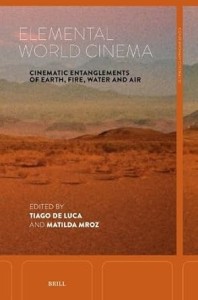
Elemental World Cinema
Cinematic Entanglements of Earth, Fire, Water and Air
Edited by Tiago de Luca and Matilda Mroz


 (0 vote)
Average rating:
| 0 | rating |  = We can do without = We can do without |
| 0 | rating |  = Good book = Good book |
| 0 | rating |  = Excellent book = Excellent book |
| 0 | rating |  = Unique / a reference = Unique / a reference |
Your rating: -
Book Presentation:
This is the first book-length study on the relationship between cinema and the classical elements. It centres on earth, fire, water and air to offer new perspectives on the intersection of film and the nonhuman in a time of climate emergency. Mobilising a range of analytical frameworks, including early film theory, Indigenous epistemologies and environmental sciences, the essays in this collection trace the complex agencies of the elements as they intersect with the material properties of the cinematic image across fiction, animation, documentary and experimental film. In doing so, the book positions elemental cinema as a multifaceted process and experience that might encompass attempts to think with, alongside or even 'like' the elemental, all the while recognising the limitations of our anthropocentric systems of meaning.
About the authors:
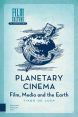
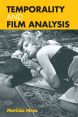
Tiago de Luca is Reader in Film Studies at the University of Warwick. His research lies broadly in the fields of contemporary world cinema, global film aesthetics and ecocinema. He is the author of Planetary Cinema: Film, Media and the Earth (2022) and Realism of the Senses in World Cinema: The Experience of Physical Reality (2014), and the co-editor of Towards an Intermedial History of Brazilian Cinema (2022) and Slow Cinema (2016).Matilda Mroz is Lecturer in Film Studies at the University of Sydney. Her research interests lie broadly in film-philosophies and filmed environments, particularly in the context of genocide and violence. She was a British Academy Mid-Career Fellow (University of Sussex) and a British Academy Postdoctoral Fellow (University of Cambridge). She is the author of Framing the Holocaust in Polish Aftermath Cinema: Posthumous Materiality and Unwanted Knowledge (2020) and Temporality and Film Analysis (2012), the co-editor of The Cinematic Bodies of Eastern Europe and Russia (2016) and the co-author of Remembering Katyn (2012).
See the publisher website: Brill
> From the same authors:
Framing the Holocaust in Polish Aftermath Cinema (2022)
Posthumous Materiality and Unwanted Knowledge
by Matilda Mroz
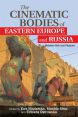
The Cinematic Bodies of Eastern Europe and Russia (2016)
Between Pain and Pleasure
Dir. Ewa Mazierska, Matilda Mroz and Elżbieta Ostrowska
> On a related topic:
Ecological Film Theory and Psychoanalysis (2023)
Surviving the Environmental Apocalypse in Cinema
by Robert Geal
Subject: Theory
Film Ecology (2021)
Defending the Biosphere - Doughnut Economics and Film Theory and Practice
Subject: Theory
Moving Image Theory (2005)
Ecological Considerations
Dir. Joseph D. Anderson and Barbara Fisher Anderson
Subject: Theory
River Delta Futures (2026)
Endangered Communities in Audiovisual Media
Dir. Francisco-J. Hernández Adrián and Angelos Theocharis
Subject: Sociology
 Back
Back

