


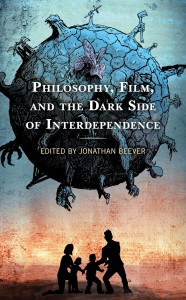
Philosophy, Film, and the Dark Side of Interdependence
Edited by Jonathan Beever


 (0 vote)
Average rating:
| 0 | rating |  = We can do without = We can do without |
| 0 | rating |  = Good book = Good book |
| 0 | rating |  = Excellent book = Excellent book |
| 0 | rating |  = Unique / a reference = Unique / a reference |
Your rating: -
Book Presentation:
Why might interdependence, the idea that we are made up of our relations, be horrifying? Philosophy, Film, and the Dark Side of Interdependence argues that philosophy can outline the contours of dark specter of interdependence and that film can shine a light on its shadowy details, together revealing a horror of relations. The contributors interrogate the question of interdependence through analyses of contemporary film, giving voice to new perspectives on its meaning. Conceived before and written during the 2020 COVID-19 pandemic and through a period of deep social unrest, this volume reveals a reality both perennial and timely.
About the Author:
Jonathan Beever is assistant professor of philosophy at the University of Central Florida and director of the UCF Center for Ethics.
Press Reviews:
"Beever has produced a timely and relevant exploration of the potentially unsettling condition of interdependence, demonstrating the value of filmic narratives in helping to shape and form the human condition. This collection brings together some of the greatest minds in film and cultural studies to broaden our understanding of cinema and the role it can play in our postmodern, anthropogenic society."
-- Kyle Bishop, Southern Utah University; author of The Written Dead
"Life is all about interrelationships; we are interdependent with much more than just our fellow humans. In a civilization that prides itself on individuality and separateness from nature, we need to embrace the vital shadow of dependency for it depends itself on the beauty of illumination."
-- Peter Whitehouse, Case Western Reserve University
"What becomes of the anthropos in the anthropocene? This book’s methodological scope guarantees something for every scholar interested in our entangled, contemporary world. Come for the lucid film analysis, stay for the existential nightmare fuel."
-- Katherine Kurtz, Villanova University
> From the same author:
The Way of Nature and the Way of Grace (2016)
Philosophical Footholds on Terrence Malick's "The Tree of Life"
Dir. Jonathan Beever and Vernon W. Cisney
Subject: One Film > The Tree of life
> On a related topic:
Happiness and Tears, After Cavell (2025)
New Readings in Hollywood's Comedy of Remarriage and Melodrama of the Unknown Woman
Dir. Paul Deb
Subject: Sociology
Is Harpo Free? (2024)
And Other Questions of the Metaphysical Screen
by Matthew Cipa
Subject: Sociology

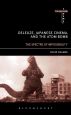
Deleuze, Japanese Cinema, and the Atom Bomb (2016)
The Spectre of Impossibility
by David Deamer
Subject: Sociology
Cinema, democracy and perfectionism (2016)
Joshua Foa Dienstag in dialogue
Dir. Joshua Foa Dienstag
Subject: Sociology

 Back
Back

