


Ethics of Cinematic Experience
Screens of Alterity
by Orna Raviv

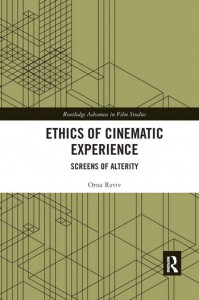

 (0 vote)
Average rating:
| 0 | rating |  = We can do without = We can do without |
| 0 | rating |  = Good book = Good book |
| 0 | rating |  = Excellent book = Excellent book |
| 0 | rating |  = Unique / a reference = Unique / a reference |
Your rating: -
Book Presentation:
Ethics of Cinematic Experience: Screens of Alterity deals with the relationship between cinema and ethics from a philosophical perspective, finding an intrinsic connection between film spectatorship and the possibility of being open to different modes of alterity. The book’s main thesis is that openness to otherness is already found in the basic structures of cinematic experience.
Through a close examination of the ethical relevance of the philosophy of Maurice Merleau-Ponty, Stanley Cavell, Emmanuel Levinas and Gilles Deleuze to cinema studies, Ethics of Cinematic Experience: Screens of Alterity pursues the question of how film can open the viewer to what is not her, and so bring her to encounter otherness in a way that is unique to cinematic experience. The book sees ethics as not just the subject, content or story of a film but part of its aesthetic structure. Accompanied by readings of films mainly from mainstream cinema, each chapter focuses on a different aspect of the encounter with alterity through cinema. The book gives particular attention to how theoretical discussion of the cinematic close-up can lead to ethical insights into the status of both the human and the non-human in film, and thus lead to an understanding of the relationships the viewer makes with them.
The book is a helpful resource for students and scholars interested in the relationship between philosophy, film and ethics, and is appropriate for students of philosophy and media and cultural studies.
About the Author:
Orna Raviv is a filmmaker and a film theorist. She is an assistant teaching professor at the Unit for History and Philosophy of Art, Design and Technology, Shenkar College, and a teaching fellow at the Philosophy Department of Haifa University.
See the publisher website: Routledge
> On a related topic:

Happiness and Tears, After Cavell (2025)
New Readings in Hollywood's Comedy of Remarriage and Melodrama of the Unknown Woman
Dir. Paul Deb
Subject: Sociology
Is Harpo Free? (2024)
And Other Questions of the Metaphysical Screen
by Matthew Cipa
Subject: Sociology


Deleuze, Japanese Cinema, and the Atom Bomb (2016)
The Spectre of Impossibility
by David Deamer
Subject: Sociology
Cinema, democracy and perfectionism (2016)
Joshua Foa Dienstag in dialogue
Dir. Joshua Foa Dienstag
Subject: Sociology


 Back
Back

