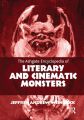


Plagues, Apocalypses and Bug-Eyed Monsters
How Speculative Fiction Shows Us Our Nightmares


 (0 vote)
Average rating:
| 0 | rating |  = We can do without = We can do without |
| 0 | rating |  = Good book = Good book |
| 0 | rating |  = Excellent book = Excellent book |
| 0 | rating |  = Unique / a reference = Unique / a reference |
Your rating: -
Book Presentation:
Speculative fiction—both science fiction and fantasy—reflects, among other things, the fears of the culture that created it, contributing (perhaps unconsciously) to our efforts to prevent our fears from coming true. While the names and media change over time, the themes of speculative fiction have a long history. Nineteenth century works such as Frankenstein and The Invisible Man contain many of the same messages as the more modern tales of Terminator, Jurassic Park and even Buffy, the Vampire Slayer, although almost a century separates their creation. This critical study discusses the ways in which speculative fiction reflects societal fears and analyzes how such cautionary tales contribute to society’s efforts to avoid the realization of these fears. Beginning with a discussion of the nature of speculative fiction, it takes a look at the characteristics of the cautionary tale. The core of the book, however, is the concept of the “Nightmares Model,” which examines and categorizes the repetition of specific themes within the genre. The dangers of science and technology, the perils of power, and the threat of the unknown are discussed as recurrent themes within a variety of works in prose, film and television. Works analyzed range from Twenty-Thousand Leagues Under the Sea to 2001: A Space Odyssey to The Blair Witch Project. Sources include the author’s own observations as a member of the genre’s fandom, a variety of published commentaries and the perspectives of contemporary professionals gained through personal interviews and panel discussions.
About the Author:
Heather Urbanski is currently an assistant professor of English at Fitchburg State University in Massachusetts.
Press Reviews:
"an impressive survey"—Film and History
"provocative"—Children’s Literature Association Quarterly
"an insightful addition to sf scholarship"—Science Fiction Studies
"interesting"—The Year’s Best Science Fiction
"informative"—The Bloomsbury Review
> From the same author:
The Science Fiction Reboot (2013)
Canon, Innovation and Fandom in Refashioned Franchises
Subject: Genre > Science Fiction
> On a related topic:
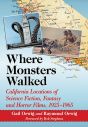
Where Monsters Walked (2018)
California Locations of Science Fiction, Fantasy and Horror Films, 1925–1965
by Gail Orwig and Raymond Orwig
The Politics of Monstrous Figures in Contemporary Cinema (2025)
Witches, Zombies, and Cyborgs Re-enchanting the Ends of the World
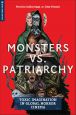
Monsters vs. Patriarchy (2025)
Toxic Imagination in Global Horror Cinema
by Patricia Saldarriaga and Emy Manini
 Back
Back