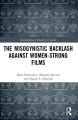


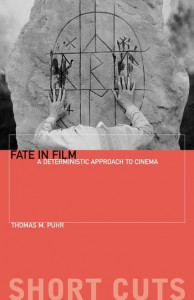
Fate in Film
A Deterministic Approach to Cinema


 (0 vote)
Average rating:
| 0 | rating |  = We can do without = We can do without |
| 0 | rating |  = Good book = Good book |
| 0 | rating |  = Excellent book = Excellent book |
| 0 | rating |  = Unique / a reference = Unique / a reference |
Your rating: -
Book Presentation:
The course of events is predetermined and cannot be changed. Forces beyond our control—or even our comprehension—shape our fates. Such is the deterministic worldview embedded in a wide swath of contemporary cinema, from arthouse experiments to popular genre films, through both thematic concerns and narrative structures. These films, especially the recent spate of “elevated” science fiction and horror, tap into this deep-seated anxiety by focusing on characters who ultimately fail to transcend the patterns and structures that define them.
Thomas M. Puhr identifies and analyzes the ways that cinema has dealt with the tension between fate and free will, from Stanley Kubrick’s The Shining to Christopher Nolan’s Tenet. He examines films that express deterministic ideas, including circular narratives of stasis or confinement and fatalistic portraits of external forces dictating characters’ lives. Puhr considers determinism at the levels of the individual, the family, and society, reading films in which characters are trapped by past or alternate selves, the burdens of family histories, or oppressive social structures. He explores how films such as Joel and Ethan Coen’s Inside Llewyn Davis, Ari Aster’s Hereditary, Jordan Peele’s Us, and Lucrecia Martel’s Zama confront the limits of human agency. Puhr relates deterministic themes to the nature of moviegoing: In denying characters any ability to choose alternative paths, these films mirror how viewers themselves can only sit and watch.
Recasting the works of some of today’s most compelling directors, Fate in Film is an innovative critical account of an unrecognized yet crucial aspect of contemporary cinema.
About the Author:
Thomas M. Puhr is an instructor at Dominican University in Illinois and an editor of the film magazine The Big Picture.
Press Reviews:
In this wholly singular work, Puhr takes a refreshingly innovative and engaging approach to the surprisingly layered concept of determinism in film. Part film studies, part philosophy, Fate in Film is full of gratifying "ah-ha" moments and gasp-worthy "catches." With its conversational tone, limited jargon, and exciting re-readings of recent and classic films, the book reads like a lecture from a favorite professor Erica Dymond, East Stroudsburg University
[This book] rewards its readers with new perspectives on familiar cinematic texts and thought provoking intertextuality. Historical Journal of Film, Radio and Television
> On a related topic:

The Cinematic Boogeyman (2024)
From the Fairytale to the Slasher Film
Monsters on the Couch (2023)
The Real Psychological Disorders Behind Your Favorite Horror Movies
Celeste Holm Syndrome (2020)
On Character Actors from Hollywood's Golden Age
by David Lazar
Subject: On Films > Characters


Wizards vs. Muggles (2016)
Essays on Identity and the Harry Potter Universe
Dir. Christopher E. Bell
Subject: One Film > Harry Potter

Hollywood Westerns and American Myth (2012)
The Importance of Howard Hawks and John Ford for Political Philosophy
The Cinema of Converging Lives (2025)
Complex Films and Intersecting Stories in an Isolated World
by Lucy Fischer
Subject: Sociology
 Back
Back