

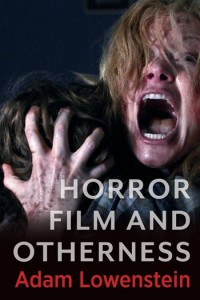
Horror Film and Otherness


 (0 vote)
Average rating:
| 0 | rating |  = We can do without = We can do without |
| 0 | rating |  = Good book = Good book |
| 0 | rating |  = Excellent book = Excellent book |
| 0 | rating |  = Unique / a reference = Unique / a reference |
Your rating: -
Book Presentation:
What do horror films reveal about social difference in the everyday world? Criticism of the genre often relies on a dichotomy between monstrosity and normality, in which unearthly creatures and deranged killers are metaphors for society’s fear of the “others” that threaten the “normal.” The monstrous other might represent women, Jews, or Blacks, as well as Indigenous, queer, poor, elderly, or disabled people. The horror film’s depiction of such minorities can be sympathetic to their exclusion or complicit in their oppression, but ultimately, these images are understood to stand in for the others that the majority dreads and marginalizes.
Adam Lowenstein offers a new account of horror and why it matters for understanding social otherness. He argues that horror films reveal how the category of the other is not fixed. Instead, the genre captures ongoing metamorphoses across “normal” self and “monstrous” other. This “transformative otherness” confronts viewers with the other’s experience—and challenges us to recognize that we are all vulnerable to becoming or being seen as the other. Instead of settling into comforting certainties regarding monstrosity and normality, horror exposes the ongoing struggle to acknowledge self and other as fundamentally intertwined.
Horror Film and Otherness features new interpretations of landmark films by directors including Tobe Hooper, George A. Romero, John Carpenter, David Cronenberg, Stephanie Rothman, Jennifer Kent, Marina de Van, and Jordan Peele. Through close analysis of their engagement with different forms of otherness, this book provides new perspectives on horror’s significance for culture, politics, and art.
About the Author:
Adam Lowenstein is a professor of English and film studies at the University of Pittsburgh. He is the author of Shocking Representation: Historical Trauma, National Cinema, and the Modern Horror Film (2005) and Dreaming of Cinema: Spectatorship, Surrealism, and the Age of Digital Media (2015), both published by Columbia University Press. Lowenstein serves on the board of directors for the George A. Romero Foundation.
Press Reviews:
[Horror Film and Otherness] is certainly one of the most important recent attempts to rethink and reevaluate horror cinema. Even the readers who do not agree with all of its theses will find them worthy of discussion. Dejan Ognjanovic, Rue Morgue
A field-changing and heartfelt study of the horror film and social difference. The power of Lowenstein’s book can be captured by the words he uses to describe the particular impact of the horror film: "confrontational, insistent, transformative." This will quickly join his earlier book, Shocking Representation, as an indispensable study of the genre. Aviva Briefel, coeditor of Horror after 9/11: World of Fear, Cinema of Terror
Lowenstein’s Horror Film and Otherness is instantly a classic, seminal study into the ways in which we understand notions of the Other and various progressive, reactionary, and violent reactions to it. Sparring with classic horror literature while drawing on a wealth of horror films, the author pulls no punches in demanding that we take responsibility for the social fears that we have constructed. The Other, be it monstrous or transformative, must be reconciled. Lowenstein sets us on the right path for such reconciliation. Robin R. Means Coleman, author of Horror Noire: Blacks in American Horror Films from the 1890s to Present
Horror Film and Otherness provides a theoretical culmination of Lowenstein’s thinking on horror cinema, radically resituating the genre in relation to spectatorship, spectacle, and identity. This is a bold, ambitious book that offers a compelling new paradigm for understanding the politics and aesthetics of horror. Rosalind Galt, author of Alluring Monsters: The Pontianak and Cinemas of Decolonization
Lowenstein does several things in this superb volume. He considers our horror at the real-life violence and injustice that surrounds us against the horrors represented in fictional texts (fictional texts that we often read for their subversive content). At the same time, he wants to push Horror Studies out of a critical morass in which we've found ourselves for awhile. Horror Studies has moved from serious criticism and critique to theory, and Lowenstein here gives us some important tools for helping to consolidate some new trends in the field. Theoretically complex and also remarkably personal, the book helps us work through foundational horror studies texts and see them in new ways. He also provides compelling readings of contemporary films. It’s as though he were reaching out to all of us in this field, who have been struggling for ways to talk about horror in this very difficult sociopolitical moment—a way that's not reductive or dismissive. Excellent read and excellent book for classes. Joan Hawkins, author of Cutting Edge: Art Horror and the Horrific Avant-Garde
With Night of the Living Dead as a point of departure, Lowenstein offers a passionate analysis of horror cinema as it reflects American culture and society. He examines the evolving relationship between the social construction of otherness and horror cinema. Moving beyond familiar categories of difference and pathology, repression and oppression, Lowenstein develops the concept of transformative otherness, complicating the conventional dichotomy between normality and monstrosity. Mia Mask, author of Divas on Screen: Black Women in American Film
[Horror Film and Otherness] reevaluates traditional critical perspectives on the horror genre and offers provocative understandings of the aesthetic, allegorical, and historical fruitfulness of the genre as a narrative and formal exercise in addressing social difference in the real world. M. Sellers Johnson, Film Quarterly
It should be on every film reader’s library shelf. European Legacy
> From the same author:
Shocking Representation (2005)
Historical Trauma, National Cinema, and the Modern Horror Film
> On a related topic:
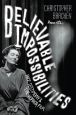
Believable Impossibilities (2026)
Race, Testimony, and the Horror Film
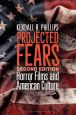
Projected Fears (2025)
Horror Films and American Culture
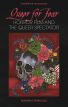
Queer for Fear (2024)
Horror Film and the Queer Spectator
Horror and Science Fiction Cinema and Society (2024)
American Culture and Politics in the Cold War and After Through the Projector Lens
The Exorcist Effect (2023)
Horror, Religion, and Demonic Belief
by Joseph P. Laycock and Eric Harrelson
 Back
Back