


Escape Velocity
American Science Fiction Film, 1950-1982



 (0 vote)
Moyenne des votes :
| 0 | vote |  = On peut s'en passer = On peut s'en passer |
| 0 | vote |  = Bon livre = Bon livre |
| 0 | vote |  = Excellent livre = Excellent livre |
| 0 | vote |  = Unique / une référence = Unique / une référence |
Votre vote : -
Description de l'ouvrage:
A cultural and economic history of science fiction cinema, from B-movies to blockbusters
Today, movie theaters are packed with audiences of all ages marveling to exciting science fiction blockbusters, many of which are also critically acclaimed. However, when the science fiction film genre first emerged in the 1950s, it was represented largely by exploitation horror films--lurid, culturally disreputable, and appealing to a niche audience of children and sci-fi buffs. How did the genre evolve from B-movie to blockbuster? Escape Velocity charts the historical trajectory of American science fiction cinema, explaining how the genre transitioned from eerie low-budget horror like It Came from Outer Space to art films like Slaughterhouse-Five, and finally to the extraordinary popularity of hits like E.T. Bradley Schauer draws on primary sources such as internal studio documents, promotional materials, and film reviews to explain the process of cultural, aesthetic, and economic legitimation that occurred between the 1950s and 1980s, as pulp science fiction tropes were adapted to suit the tastes of mainstream audiences. Considering the inescapable dominance of today's effects-driven blockbusters, Escape Velocity not only charts the history of science fiction film, but also gives an account of the origins of contemporary Hollywood.
À propos de l'auteur :
BRADLEY SCHAUER is assistant professor in the School of Theatre, Film & Television at the University of Arizona. His articles have appeared in Film History, The Velvet Light Trap, and The Quarterly Review of Film and Video.
Voir le site internet de l'éditeur Wesleyan University Press
> Sur un thème proche :
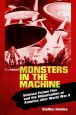
Monsters in the Machine (2018)
Science Fiction Film and the Militarization of America After World War II
Sujet : Genre > Science Fiction
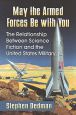
May the Armed Forces Be with You (2016)
The Relationship Between Science Fiction and the United States Military
Sujet : Genre > Science Fiction


Un-American Dreams (2022)
Apocalyptic Science Fiction, Disimagined Community, and Bad Hope in the American Century
Sujet : Genre > Disaster films

Apocalypse Then (2017)
American and Japanese Atomic Cinema, 1951–1967
de Mike Bogue
Sujet : Genre > Disaster films

 Retour

