


Authorship in Film Adaptation
Edited by Jack Boozer

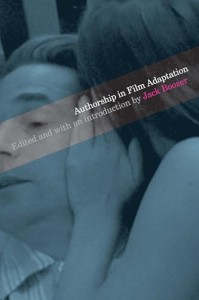

 (0 vote)
Average rating:
| 0 | rating |  = We can do without = We can do without |
| 0 | rating |  = Good book = Good book |
| 0 | rating |  = Excellent book = Excellent book |
| 0 | rating |  = Unique / a reference = Unique / a reference |
Your rating: -
Book Presentation:
Authoring a film adaptation of a literary source not only requires a media conversion but also a transformation as a result of the differing dramatic demands of cinema. The most critical central step in this transformation of a literary source to the screen is the writing of the screenplay. The screenplay usually serves to recruit producers, director, and actors; to attract capital investment; and to give focus to the conception and production of the film project. Often undergoing multiple revisions prior to production, the screenplay represents the crucial decisions of writer and director that will determine how and to what end the film will imitate or depart from its original source.
Authorship in Film Adaptation is an accessible, provocative text that opens up new areas of discussion on the central process of adaptation surrounding the screenplay and screenwriter-director collaboration. In contrast to narrow binary comparisons of literary source text and film, the twelve essays in this collection also give attention to the underappreciated role of the screenplay and film pre-production that can signal the primary intention for a film. Divided into four parts, this collection looks first at the role of Hollywood's activist producers and major auteurs such as Hitchcock and Kubrick as they worked with screenwriters to formulate their audio-visual goals. The second part offers case studies of Devil in a Blue Dress and The Sweet Hereafter, for which the directors wrote their own adapted screenplays. Considering the variety of writer-director working relationships that are possible, Part III focuses on adaptations that alter genre, time, and place, and Part IV investigates adaptations that alter stories of romance, sexuality, and ethnicity.
About the Author:
Jack Boozer is Professor of Film Studies in the Department of Communication at Georgia State University in Atlanta. He also has extensive professional and teaching experience in screenwriting and adapting literature to film. His previous book is Career Movies: American Business and the Success Mystique.
> From the same author:
Career Movies (2003)
American Business and the Success Mystique
by Jack Boozer
Subject: Jobs and Trainings
> On a related topic:

But Have You Read the Book? Romance Edition (2026)
40 Love Stories That Inspired Our Favorite Films
Subject: Technique > Adaptation
The History of German Literature on Film (2025)
Subject: Technique > Adaptation
Film Adaptations of Russian Classics (2024)
Dialogism and Authorship
Dir. Alexandra Smith and Olga Sobolev
Subject: Technique > Adaptation


Retelling Jane Austen (2024)
Essays on Recent Adaptations and Derivative Works
Dir. Tammy Powley and April Van Camp
Subject: Technique > Adaptation
English Classics in Audiovisual Translation (2024)
Dir. Irene Ranzato and Luca Valleriani
Subject: Technique > Adaptation
Hemingway and Film (2024)
Reflections on Teaching, Reading, and Understanding
Dir. Cam Cobb and Marc K. Dudley
Subject: Technique > Adaptation
Wilde in the Dream Factory (2024)
Decadence and the American Movies
by Kate Hext
Subject: Technique > Adaptation
 Back
Back

