


The Unruly Woman
Gender and the Genres of Laughter

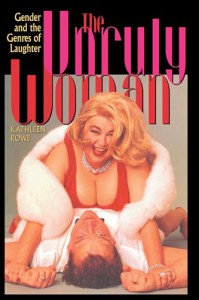

 (0 vote)
Average rating:
| 0 | rating |  = We can do without = We can do without |
| 0 | rating |  = Good book = Good book |
| 0 | rating |  = Excellent book = Excellent book |
| 0 | rating |  = Unique / a reference = Unique / a reference |
Your rating: -
Book Presentation:
With a breadwinner dad, a homemaker mom, and squeaky-clean kids, the 1950s television family has achieved near mythological status as a model of what real families "ought" to be. Yet feature films of the period often portrayed families in trouble, with parents and children in conflict over appropriate values and behaviors. Why were these representations of family apparently so far apart?
Nina Leibman analyzes many feature films and dozens of TV situation comedy episodes from 1954 to 1963 to find surprising commonalities in their representations of the family. Redefining the comedy as a family melodrama, she compares film and television depictions of familial power, gender roles, and economic attitudes. Leibman's explorations reveal how themes of guilt, deceit, manipulation, anxiety, and disfunctionality that obviously characterize such movies as Rebel without a Cause,A Summer Place, and Splendor in the Grass also crop up in such TV shows as The Adventures of Ozzie and Harriet,Father Knows Best,Leave It to Beaver,The Donna Reed Show, and My Three Sons.
Drawing on interviews with many of the participants of these productions, archival documents, and trade journals, Leibman sets her discussion within a larger institutional history of 1950s film and television. Her discussions shed new light not only on the reasons for both media's near obsession with family life but also on changes in American society as it reconfigured itself in the postwar era.
About the Author:
A former newspaper reporter and editor, Kathleen Rowe teaches film studies at the University of Oregon, where she is Assistant Professor of English.
> From the same author:
> On a related topic:
Shifting Gender Identities in Popular Culture (2025)
Essays on Representation Since 2010
Dir. Laura J. Getty and Josef Vice
Subject: Sociology

America on Film (2021)
Representing Race, Class, Gender, and Sexuality at the Movies, 3rd Edition
by Harry M. Benshoff and Sean Griffin
Subject: Sociology
Affirmative Aesthetics and Wilful Women (2021)
Gender, Space and Mobility in Contemporary Cinema
Subject: Sociology
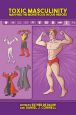
Toxic Masculinity (2020)
Mapping the Monstrous in Our Heroes
Dir. Esther de Dauw and Daniel J. Connell
Subject: Sociology

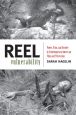
Reel Vulnerability (2013)
Power, Pain, and Gender in Contemporary American Film and Television
Subject: Sociology
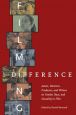
Filming Difference (2009)
Actors, Directors, Producers and Writers on Gender, Race and Sexuality in Film
Dir. Daniel Bernardi
Subject: Sociology
Reversing the Lens (2003)
Ethnicity, Race, Gender, and Sexuality through Film
Dir. Jun Xing and Lane Ryo Hirabayashi
Subject: Sociology
 Back
Back

