


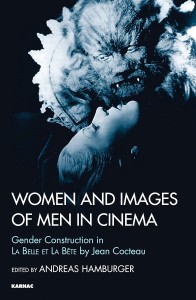
Women and Images of Men in Cinema
Gender Construction in La Belle et la Bete by Jean Cocteau
Edited by Andreas Hamburger


 (0 vote)
Average rating:
| 0 | rating |  = We can do without = We can do without |
| 0 | rating |  = Good book = Good book |
| 0 | rating |  = Excellent book = Excellent book |
| 0 | rating |  = Unique / a reference = Unique / a reference |
Your rating: -
Book Presentation:
Women and men in cinema are imaginary constructs created by filmmakers and their audiences. The film-psychoanalytic approach reveals how movies subliminally influence unconscious reception. On the other hand, the movie is embedded in a cultural tradition: Jean Cocteau's film La Belle et la Bete (1946) takes up the classic motif of the animal groom from the story of Cupid and Psyche in Apuleius' The Golden Ass (originally a tale about the stunning momentum of genuine female desire), liberates it from its baroque educational moral (a girl's virtue and prudence will help her to overcome her sexual fears), and turns it into a boyhood story: inside the ugly rascal there is a good, but relatively boring prince - at least in comparison to the monsters of film history. In the seventy years since it was made, La Belle et la Bete has inspired numerous interpretations and has been employed by theorists of all genres and interests.
See the publisher website: Karnac Books
See Beauty and the Beast (1946) on IMDB ...
> From the same author:
From La Strada to The Hours (2024)
Suffering and Sovereign Women in the Movies
Dir. Vivian Pramataroff-Hamburger and Andreas Hamburger
Subject: Sociology

> On a related topic:
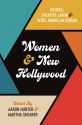
Women and New Hollywood (2023)
Gender, Creative Labor, and 1970s American Cinema
Dir. Aaron Hunter and Martha Shearer
Subject: Countries > United States

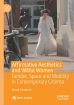
Affirmative Aesthetics and Wilful Women (2021)
Gender, Space and Mobility in Contemporary Cinema
Subject: Sociology
Adapting Gender (2019)
Mexican Feminisms from Literature to Film
 Back
Back

