


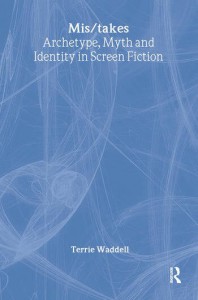
Mis/takes
Archetype, Myth and Identity in Screen Fiction


 (0 vote)
Average rating:
| 0 | rating |  = We can do without = We can do without |
| 0 | rating |  = Good book = Good book |
| 0 | rating |  = Excellent book = Excellent book |
| 0 | rating |  = Unique / a reference = Unique / a reference |
Your rating: -
Book Presentation:
Mis/takes departs from the bulk of screen discourse by applying Jungian and Post-Jungian ideas on unconscious processes to popular film and television. This perspective offers a rich insight into the way that various myths infiltrate popular culture.
By examining the function of psychological motifs and symbols in cinema and television, Terrie Waddell opens up another way of thinking about how identity can be constructed and disrupted. Mulholland Drive, Memento, The Others, The X-Files, Twin Peaks, The Sopranos, Spider, Intimacy and Absolutely Fabulous all lend themselves to this approach.
The close analysis of these films/programs are guided by a number of core archetypes from trickster and Self to incest and the grotesque. The book’s four parts reflect these dominant patterns:
Jung, trickster and the screen
Mistaken identities, self-deception and the undead
Redeemers, bad dads and matricide
Excesses of the sad and the sassy
Mis/takes gives readers a chance to engage with screen material in an original and subversive way. This study will be of great interest to Jungian analysts and students of film, cultural studies, media, gender studies and analytical psychology.
About the Author:
Terrie Waddell is a Lecturer in Media Studies and Convenor of Gender, Sexuality and Diversity Studies at La Trobe University, Australia
See the publisher website: Routledge
> From the same author:

The Lost Child Complex in Australian Film (2019)
Jung, Story and Playing Beneath the Past
Eavesdropping (2014)
The psychotherapist in film and television
Dir. Lucy Huskinson and Terrie Waddell
Subject: Sociology
> On a related topic:
Cinema and Psyche in Analytical Psychology (2025)
Individuation as a Pathway to Love
by Joanna Dovalis and John Izod
Subject: Sociology
Post-Traumatic Stress Disorder in Film and Media (2025)
Digital Cultures and the Politics of Time and Memory
by Jason Lee
Subject: Sociology
 Back
Back

