


Screen, Culture, Psyche
A Post Jungian Approach to Working with the Audience
by John Izod

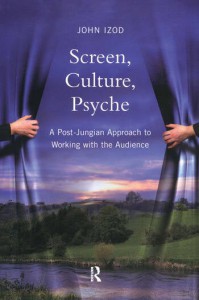

 (0 vote)
Average rating:
| 0 | rating |  = We can do without = We can do without |
| 0 | rating |  = Good book = Good book |
| 0 | rating |  = Excellent book = Excellent book |
| 0 | rating |  = Unique / a reference = Unique / a reference |
Your rating: -
Book Presentation:
Screen, Culture, Psyche illuminates recent developments in Jungian modes of media analysis, and illustrates how psychoanalytic theories have been adapted to allow for the interpretation of films and television programmes, employing Post-Jungian methods in the deep reading of a whole range of films. Readings of this kind can demonstrate the way that some films bear the psychological projections not only of their makers but of their audience, and assess the manner in which films engage the writer’s own psyche. Seeking to go beyond existing theories, John Izod explores the question of whether Jungian screen analysis can work for ordinary filmgoers - can what functions for the scholar be said to be true for people without a background in Jung’s ideas?
Through detailed readings of a number of films and programmes, John Izod builds on the work previously done by Jungian film analysts, and moves on to contemplate the level of audience engagement. Offering deep readings of films directed by Kubrick and Bernardo Bertolucci, as well as satirical comedy, documentaries and twenty-first century Westerns, the book explores the extent to which they manage to make the psychological impact on spectators that films of a similar kind have done on Jungian writers. The author concludes that the screen texts with the best likelihood of impacting the culture of the audience through their collective psychological force fall at opposite ends of the size and budget range: highly personal documentaries, and the most affecting of mainstream genre movies.
This innovative text will be essential reading for psychoanalysts and therapists, as well as students and scholars of film with an interest in understanding how screen products work psychologically to engage the viewer.
About the Author:
John Izod is Professor of Screen Analysis and Head of the Department of Film & Media Studies at the University of Stirling where he has taught since 1978. He has published numerous articles, and is the author of two previous Jungian studies of films and television programmes.
See the publisher website: Routledge
> From the same author:
Cinema and Psyche in Analytical Psychology (2025)
Individuation as a Pathway to Love
by Joanna Dovalis and John Izod
Subject: Sociology
Cinema as Therapy (2015)
Grief and transformational film
by John Izod and Joanna Dovalis
Subject: Sociology
Lindsay Anderson (2012)
cinema authorship
by John Izod, Karl Magee, Kathryn Hannan and Isabelle Gourdin-Sangouard
Subject: Director > Lindsay Anderson
An Introduction to Television Documentary (1997)
Confronting Reality
by Richard Kilborn and John Izod
Subject: Genre > Documentary
> On a related topic:
Intimacy and the Anxieties of Cinematic Flesh (2024)
Between Phenomenology and Psychoanalysis
Subject: Film Analysis
Psychoanalytic Reflections on Writing, Cinema and the Arts (2020)
Facing Beauty and Loss
Subject: Film Analysis
Taking Back Desire (2025)
A Psychoanalytic Approach to Queerness and Neoliberalism on Screen
Subject: Sociology

Psychoanalysis and Film (2024)
Methodical Approaches to Latent Meaning
by Timo Storck
Subject: Sociology
Psychoanalysis and the Small Screen (2023)
The Year the Cinemas Closed
Dir. Carol Owens and Sarah Meehan O'Callaghan
Subject: Sociology
 Back
Back

