


Fantasy Media in the Classroom
Essays on Teaching with Film, Television, Literature, Graphic Novels and Video Games
Sous la direction de Emily Dial-Driver, Sally Emmons et Jim Ford

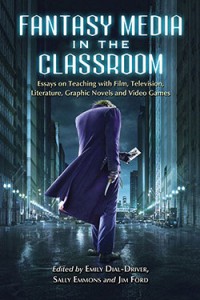

 (0 vote)
Moyenne des votes :
| 0 | vote |  = On peut s'en passer = On peut s'en passer |
| 0 | vote |  = Bon livre = Bon livre |
| 0 | vote |  = Excellent livre = Excellent livre |
| 0 | vote |  = Unique / une référence = Unique / une référence |
Votre vote : -
Description de l'ouvrage:
A common misconception is that professors who use popular culture and fantasy in the classroom have abandoned the classics, yet in a variety of contexts—high school, college freshman composition, senior seminars, literature, computer science, philosophy and politics—fantasy materials can expand and enrich an established curriculum. The new essays in this book combine analyses of popular television shows including Buffy the Vampire Slayer; such films as The Matrix, The Dark Knight and Twilight; Watchmen and other graphic novels; and video games with explanations of how best to use them in the classroom. With experience-based anecdotes and suggestions for curricula, this collection provides a valuable pedagogy of pop culture.
À propos des auteurs :
Emily Dial-Driver is a professor of English at Rogers State University in Claremore, Oklahoma, and fiction editor of RSU’s Cooweescoowee: A Journal of Arts and Letters.
Sally Emmons is an associate professor of English at Rogers State University and the managing editor of Cooweescoowee.
Jim Ford teaches humanities, philosophy, and religion at Rogers State University and is director of the honors program. His articles have been published in the Journal of Religion, the Journal of the National Collegiate Honors Council, and Honors in Practice.
Revue de Presse:
"a common misconception is that professors who use popular culture and fantasy in the classroom have abandoned the classics, yet in different contexts fantasy materials can enrich an established curriculum…explanations of how best to use them in the classroom"—CBQ
"shows how fantasy can be used to teach interpretation and critical thinking, and how fantasy can be used as springboard for discussion of issues such as cultural similarities and differences, human relationships, and social mores"—Reference & Research Book News
> Sur un thème proche :

Thrills Untapped 2 (2025)
More Discoveries for Science Fiction, Horror and Fantasy Movie Fans, 1928–1936
Mutants, Androids, and Aliens (2025)
On Being Human in the Marvel Cinematic Universe


The Cinema Coven (2024)
Witches, Witchcraft and Women's Filmmaking
Altered States of Consciousness in the Movies (2024)
Portrayals of Hypnosis, Brainwashing, Spirit Possession, Dreams and Visions Since the 1940s
Entering the Multiverse (2024)
Perspectives on Alternate Universes and Parallel Worlds
Dir. Paul Booth
 Retour

