

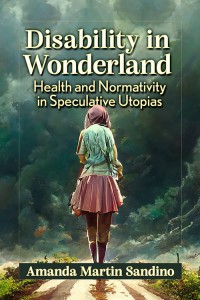
Disability in Wonderland
Health and Normativity in Speculative Utopias


 (0 vote)
Average rating:
| 0 | rating |  = We can do without = We can do without |
| 0 | rating |  = Good book = Good book |
| 0 | rating |  = Excellent book = Excellent book |
| 0 | rating |  = Unique / a reference = Unique / a reference |
Your rating: -
Book Presentation:
Adult-directed utopian fiction has historically rejected depictions of persons with disabilities, underrepresenting a community that comprises an estimated 15% of the world’s population. From the earliest stories of utopias written for and about children, however, persons with disabilities have been included in abundance, and are central to classic narratives like The Wizard of Oz and Winnie the Pooh. In a perfect world centered on children and their caretakers, these works argue, characters with a diverse range of bodies and minds must flourish. Spanning from Lewis Carroll’s 1865 Alice in Wonderland to Jordan Peele’s 2019 film Us, this examination of the wonderland demonstrates the role that bodily and neurological diversity plays in an ever-popular subgenre.
About the Author:
Amanda Martin Sandino is a lecturer in critical gender studies at the University of California, San Diego. The focus of her work looks at the intersections of futurity, disability, and fantasy.
> On a related topic:
The Enduring Fantastic (2021)
Essays on Imagination and Western Culture
Dir. Anna Höglund and Cecilia Trenter
Suburban Fantastic Cinema (2019)
Growing Up in the Late Twentieth Century
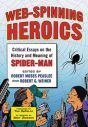
Web-Spinning Heroics (2012)
Critical Essays on the History and Meaning of Spider-Man
Dir. Robert Moses Peaslee and Robert G. Weiner
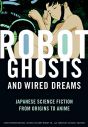
Robot Ghosts and Wired Dreams (2007)
Japanese Science Fiction from Origins to Anime
Dir. Christopher Bolton, Istvan Csicsery-Ronay Jr. and Takayuki Tatsumi
Framing Monsters (2005)
Fantasy Film and Social Alienation
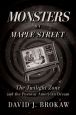
Monsters on Maple Street (2023)
The Twilight Zone and the Postwar American Dream
Subject: One Film > The Twilight Zone (TV Series)

 Back
Back

