


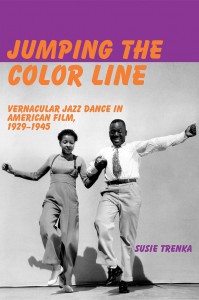
Jumping the Color Line
Vernacular Jazz Dance in American Film, 1929-1945
by Susie Trenka


 (0 vote)
Average rating:
| 0 | rating |  = We can do without = We can do without |
| 0 | rating |  = Good book = Good book |
| 0 | rating |  = Excellent book = Excellent book |
| 0 | rating |  = Unique / a reference = Unique / a reference |
Your rating: -
Book Presentation:
From the first synchronized sound films of the late 1920s through the end of World War II, African American music and dance styles were ubiquitous in films. Black performers, however, were marginalized, mostly limited to appearing in "specialty acts" and various types of short films, whereas stardom was reserved for Whites. Jumping the Color Line discusses vernacular jazz dance in film as a focal point of American race relations. Looking at intersections of race, gender, and class, the book examines how the racialized and gendered body in film performs, challenges, and negotiates identities and stereotypes. Arguing for the transformative and subversive potential of jazz dance performance onscreen, the six chapters address a variety of films and performers, including many that have received little attention to date. Topics include Hollywood's first Black female star (Nina Mae McKinney), male tap dance "class acts" in Black-cast short films of the early 1930s, the film career of Black tap soloist Jeni LeGon, the role of dance in the Soundies jukebox shorts of the 1940s, cinematic images of the Lindy hop, and a series of teen films from the early 1940s that appealed primarily to young White fans of swing culture. With a majority of examples taken from marginal film forms, such as shorts and B movies, the book highlights their role in disseminating alternative images of racial and gender identities as embodied by dancers – images that were at least partly at odds with those typically found in major Hollywood productions.
About the Author:
Susie Trenka holds an MA in English and film studies and a PhD in film studies from the University of Zurich, Switzerland. Alongside her academic endeavours, she spent many years learning and teaching vernacular dance styles from the swing era, especially the Lindy hop. She now works as a translator, editor, and museum educator in New Orleans, where she is immersed in jazz culture and continues to learn about America's complex issues of race
> On a related topic:
Storytelling in Motion (2024)
Cinematic Choreography and the Film Musical
Discovering Musicals (2019)
A Liberal Arts Guide to Stage and Screen
The International Film Musical (2012)
Dir. Corey K. Creekmur and Linda Y. Mokdad
Hollywood Musicals You Missed (2020)
Seventy Noteworthy Films from the 1930s
 Back
Back

