

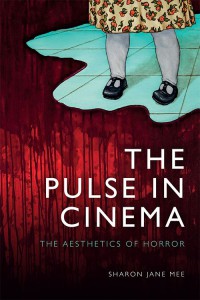
The Pulse in Cinema
The Aesthetics of Horror


 (0 vote)
Average rating:
| 0 | rating |  = We can do without = We can do without |
| 0 | rating |  = Good book = Good book |
| 0 | rating |  = Excellent book = Excellent book |
| 0 | rating |  = Unique / a reference = Unique / a reference |
Your rating: -
Book Presentation:
A philosophical enquiry into the pulse as the affective force in cinema
• Develops a concept of the pulse and argues for the importance of its use in cinema spectatorship theory
• Builds on ideas of rhythm in early and experimental cinema to develop a progressive theory that is valuable for a cinematic understanding of body horror
• Analyses five body horror films - Le Sang des bêtes/Blood of the Beasts, The Tingler, Dawn of the Dead, L’aldilà/The Beyond and Possession - using aspects of the pulse
• Provides an innovative approach to the economy of cinema to rethink the energetic relation between the image and the spectator
• Integrates concepts from theorists Jean-François Lyotard, Gilles Deleuze, and Georges Bataille into the study of cinema spectatorship
When we think of the pulse in cinema, we may think of the heartbeat of the spectator as they respond to affective or moving scenes in the film, or how fast-paced and shocking images exacerbate this affective response. Conceptually extending cinema spectatorship, The Pulse in Cinema contends that cinema is an energetic arrangement of affective and intense forces, where the image and the spectator are specific components. Analysing body horror films such as The Tingler (1959), Dawn of the Dead (1978) and The Beyond (1981), this book builds on Lyotard’s concept of the dispositif, Deleuze’s work on sensation and Bataille’s economic theory to conceptualise a pulse in cinema, arguing for its importance in cinema spectatorship theory.
About the Author:
Dr Sharon Jane Mee is Publications Officer at Australia’s National Research Organisation for Women’s Safety (ANROWS)
Press Reviews:
Mee’s impressive analysis of film is matched by her ability to connect complex ideas to films that are recognized as canon and films that are often marginalized. [...] Highly recommended.– S. B. Skelton, Kansas State University, CHOICE
In this book, Sharon Jane Mee gives a bold new account of the power of cinema. Movies both enthrall us and unsettle us. The Pulse in Cinema works through this double allure, and offers us a profound meditation on what aesthetic experience might mean in the twenty-first century.– Steven Shaviro, DeRoy Professor of English, Wayne State University
> On a related topic:
The Psychodynamics of Trauma and Modern Horror Cinema (2025)
I Am What Haunts Me
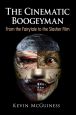
The Cinematic Boogeyman (2024)
From the Fairytale to the Slasher Film
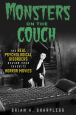
Monsters on the Couch (2023)
The Real Psychological Disorders Behind Your Favorite Horror Movies
Affective Intensities and Evolving Horror Forms (2021)
From Found Footage to Virtual Reality
by Adam Daniel
Primal Roots of Horror Cinema (2019)
Evolutionary Psychology and Narratives of Fear
Horrific Humor and the Moment of Droll Grimness in Cinema (2017)
Sidesplitting sLaughter
Dir. John A. Dowell and Cynthia J. Miller
 Back
Back

