


The Sex Slave in Cinema
An Inegalitarian Spectacle
by Aga Skrodzka



 (0 vote)
Average rating:
| 0 | rating |  = We can do without = We can do without |
| 0 | rating |  = Good book = Good book |
| 0 | rating |  = Excellent book = Excellent book |
| 0 | rating |  = Unique / a reference = Unique / a reference |
Your rating: -
Book Presentation:
Examines cinema as a cultural venue that constructs and disseminates the sex slave figure on a visual plane
• A critical study that explores the cinematic sex slave’s origins in pre-cinematic European culture, this book traces the continuities, reconfigurations, and consolidation of this colonial gaze in the contemporary Western neoliberal imaginary while also searching for narratives that challenge or elude this order
• Identifies and elaborates a widespread iconography of ‘sex slavery’ that promotes a simplified vision of the sex trade by instrumentalizing an object to be ‘rescued’ and thus eliminated from the highly idealized self-projection of the neoliberal state and its particular relation to global capitalism
• Surveys the existing cinematic visual landscape and interrogates the ways race, gender, class, and sexuality are embedded in the images under analysis, working together to construct the ‘sex slave’ as a rhetorical tool to naturalize certain formulations of gendered subjecthood and reaffirm the uneven distribution of political agency, while simultaneously obscuring the complex ethics and economics of migrant women’s labor in the sex industry
• Considers a wide range of cinematic artifacts: silent films, including pornographic ‘stag’ films; European art cinema; Hollywood thrillers; blaxploitation film; Netflix-distributed Nigerian cinema; and the recent crowd-funded anti-trafficking narrative, Sound of Freedom. Reviews these works in light of cinema’s longstanding history of films that both represent and partake in erotic commodification, objectification, and exploitation of the female and feminized figure
This book examines the visual politics of the cinematic figure of the ‘sex slave’ from its origins in silent film to its iterations in blaxploitation cinema, European art cinema, Nollywood, and, in its most concentrated form, the Hollywood blockbuster thriller.
Through close analysis of several film texts that is informed by feminist theory, visual studies, critical race studies, and the political economy of sex work, this book argues that the sex slave has long functioned as a disciplinary spectacle that simultaneously commodifies and punishes female flesh. The sex slave is used to ‘sell’ a libidinal fantasy of rescue, not of the trafficked woman or child, but of the very economic and social order that exploits them.
About the Author:
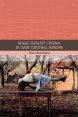
Aga Skrodzka is Associate Professor of Film and Media Studies at Clemson University. Her research interests include world cinema, feminism, post-socialist cinemas, sexploitation cinema and visual narratives of sex work. Dr. Skrodzka is the author of Magic Realist Cinema in East Central Europe and the lead editor of The Oxford Handbook of Communist Visual Cultures. She is a member of the peer-review college for the UK-based journals Studies in European Cinema and Studies in Eastern European Cinemas. Her work has been published in Film Quarterly, Poetry Magazine, Studies in World Cinema and MAI: Feminism & Visual Culture.
Press Reviews:
Why are audiences seduced by the sex slavery narrative? Digging into the cinematic archeology of the figure of the sex slave, The Sex Slave in Cinema: An Inegalitarian Spectacle offers provocative answers, as it untangles the intersection between foreignness-migration and the phenomenon of sex slavery as hetero-gender violence. Aga Skrodzka looks back at early cinema and its silent spectacle of the Oriental slave, and moves through later examples of racialization, sex trafficking panics, and iconography to give us a feminist analysis that is riveting in its scope and dazzling in its intellectual energy.– Katarzyna Marciniak, Occidental College
> From the same author:
> On a related topic:

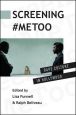
Screening #MeToo (2022)
Rape Culture in Hollywood
Dir. Lisa Funnell and Ralph Beliveau
Subject: Sociology
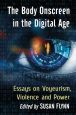
The Body Onscreen in the Digital Age (2021)
Essays on Voyeurism, Violence and Power
Dir. Susan Flynn
Subject: Sociology
Sex, Society, and the Making of Pornography (2021)
The Pornographic Object of Knowledge
Subject: Genre > Porn films
Feminist Visions (2026)
Tracing Feminist Epistemologies in Contemporary Film and Television
Dir. Hélène Charlery and Cristelle Maury
Subject: Sociology
Unsuitable Film and Video Audiences (2026)
Underage Viewing Memories and Practices in 1980s United Kingdom
by Peter Turner
Subject: Sociology
Displacement of (M)others in Twenty-First-Century US Films (2026)
Impact on Maternal Identities of "Other" Subjectivities
Subject: Sociology

Images of Unrest (2026)
Documentary Film and Political Violence
by Nikolaj Lübecker and Daniele Rugo
Subject: Sociology
 Back
Back