

Celluloid Vampires
Life After Death in the Modern World



 (0 vote)
Average rating:
| 0 | rating |  = We can do without = We can do without |
| 0 | rating |  = Good book = Good book |
| 0 | rating |  = Excellent book = Excellent book |
| 0 | rating |  = Unique / a reference = Unique / a reference |
Your rating: -
Book Presentation:
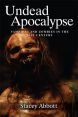
In 1896, French magician and filmmaker George Méliès brought forth the first celluloid vampire in his film Le manoir du diable. The vampire continues to be one of film's most popular gothic monsters and in fact, today more people become acquainted with the vampire through film than through literature, such as Bram Stoker's classic Dracula. How has this long legacy of celluloid vampires affected our understanding of vampire mythology? And how has the vampire morphed from its folkloric and literary origins?
In this entertaining and absorbing work, Stacey Abbott challenges the conventional interpretation of vampire mythology and argues that the medium of film has completely reinvented the vampire archetype. Rather than representing the primitive and folkloric, the vampire has come to embody the very experience of modernity. No longer in a cape and coffin, today's vampire resides in major cities, listens to punk music, embraces technology, and adapts to any situation. Sometimes she's even female.
With case studies of vampire classics such as Nosferatu, Martin, Blade, and Habit, the author traces the evolution of the American vampire film, arguing that vampires are more than just blood-drinking monsters; they reflect the cultural and social climate of the societies that produce them, especially during times of intense change and modernization. Abbott also explores how independent filmmaking techniques, special effects makeup, and the stunning and ultramodern computer-generated effects of recent films have affected the representation of the vampire in film.
> From the same author:
> On a related topic:
Vampires on the Silent Screen (2023)
Cinema's First Age of Vampires 1897-1922
Monstrous Things (2022)
Essays on Ghosts, Vampires, and Things That Go Bump in the Night
Desire After Dark (2021)
Contemporary Queer Cultures and Occultly Marvelous Media

Vampires from Another World (2021)
The Cinematic Progeny of H.G. Wells' The War of the Worlds and Bram Stoker's Dracula
by Simon Bacon
Dracula as Absolute Other (2019)
The Troubling and Distracting Specter of Stoker's Vampire on Screen
by Simon Bacon

The Science of Monsters (2019)
The Truth about Zombies, Witches, Werewolves, Vampires, and Other Legendary Creatures
by Meg Hafdahl and Kelly Florence
 Back
Back