


Hollywood Incoherent
Narration in Seventies Cinema

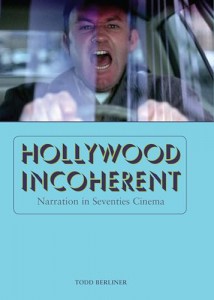

 (0 vote)
Average rating:
| 0 | rating |  = We can do without = We can do without |
| 0 | rating |  = Good book = Good book |
| 0 | rating |  = Excellent book = Excellent book |
| 0 | rating |  = Unique / a reference = Unique / a reference |
Your rating: -
Book Presentation:
In the 1970s, Hollywood experienced a creative surge, opening a new era in American cinema with films that challenged traditional modes of storytelling. Inspired by European and Asian art cinema as well as Hollywood's own history of narrative ingenuity, directors such as Martin Scorsese, Robert Altman, William Friedkin, Stanley Kubrick, Woody Allen, and Francis Ford Coppola undermined the harmony of traditional Hollywood cinema and created some of the best movies ever to come out of the American film industry. Critics have previously viewed these films as a response to the cultural and political upheavals of the 1970s, but until now no one has explored how the period's inventive narrative design represents one of the great artistic accomplishments of American cinema.
In Hollywood Incoherent, Todd Berliner offers the first thorough analysis of the narrative and stylistic innovations of seventies cinema and its influence on contemporary American filmmaking. He examines not just formally eccentric films—Nashville; Taxi Driver; A Clockwork Orange; The Godfather, Part II; and the films of John Cassavetes—but also mainstream commercial films, including The Exorcist, The Godfather, The French Connection, Willy Wonka and the Chocolate Factory, Dog Day Afternoon, Chinatown, The Bad News Bears, Patton, All the President's Men, Annie Hall, and many others. With persuasive revisionist analyses, Berliner demonstrates the centrality of this period to the history of Hollywood's formal development, showing how seventies films represent the key turning point between the storytelling modes of the studio era and those of modern American cinema.
> From the same author:
Hollywood Renegade (2026)
Elaine May, Mikey and Nicky, and the Making of a Masterpiece
Subject: Director > Elaine May
> On a related topic:
Road Trip to Nowhere (2022)
Hollywood Encounters the Counterculture
by Jon Lewis
Subject: History of Cinema
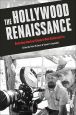
The Hollywood Renaissance (2018)
Revisiting American Cinema's Most Celebrated Era
Dir. Peter Kramer and Yannis Tzioumakis
Subject: History of Cinema
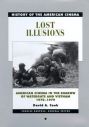
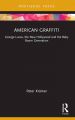
American Graffiti (2024)
George Lucas, the New Hollywood and the Baby Boom Generation
by Peter Kramer
Subject: One Film > American Graffiti
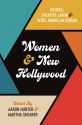
Women and New Hollywood (2023)
Gender, Creative Labor, and 1970s American Cinema
Dir. Aaron Hunter and Martha Shearer
Subject: Countries > United States
New Wave, New Hollywood (2023)
Reassessment, Recovery, and Legacy
Dir. Nathan Abrams
Subject: Countries > United States

Echoes From The Set, Volume II 1967- 1977 (2021)
Shadows From the Underground: Cinema Under the Influence
Subject: Countries > United States
 Back
Back

