


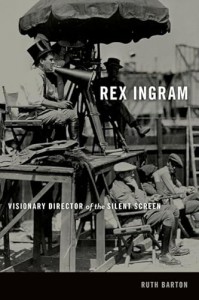
Rex Ingram
Visionary Director of the Silent Screen
by Ruth Barton


 (0 vote)
Average rating:
| 0 | rating |  = We can do without = We can do without |
| 0 | rating |  = Good book = Good book |
| 0 | rating |  = Excellent book = Excellent book |
| 0 | rating |  = Unique / a reference = Unique / a reference |
Your rating: -
Book Presentation:
Noted for his charisma, talent, and striking good looks, director Rex Ingram (1893-1950) is ranked alongside D. W. Griffith, Marshall Neilan, and Erich von Stroheim as one of the greatest artists of the silent cinema. Ingram briefly studied sculpture at the Yale University School of Art after emigrating from Ireland to the United States in 1911; but he was soon seduced by the new medium of moving pictures and abandoned his studies for a series of jobs in the film industry. Over the next decade, he became one of the most popular directors in Hollywood, directing smash hits such as The Four Horsemen of the Apocalypse (1921), The Prisoner of Zenda (1922), and Scaramouche (1923).
In Rex Ingram, Ruth Barton explores the life and legacy of the pioneering filmmaker, following him from his childhood in Dublin to his life at the top of early Hollywood's A-list and his eventual self-imposed exile on the French Riviera. Ingram excelled in bringing visions of adventure and fantasy to eager audiences, and his films made stars of actors like Rudolph Valentino, Ramón Novarro, and Alice Terry—his second wife and leading lady. With his name a virtual guarantee of box office success, Ingram's career flourished in the 1920s despite the constraints of an increasingly regulated industry and the hostility of Louis B. Mayer, who regarded him as a dangerous maverick.
Barton examines the virtuoso director's career and controversial personal life—including his conversion to Islam, the rumors surrounding his ambiguous sexuality, and the circumstances of his untimely death. This definitive biography not only restores the visionary filmmaker to the spotlight but also provides an absorbing look at the daring and exhilarating days of silent-era Hollywood.
See the publisher website: University Press of Kentucky
See the complete filmography of Rex Ingram on the website: IMDB ...
> From the same author:

Music and Sound in Silent Film (2018)
From the Nickelodeon to The Artist
Dir. Ruth Barton and Simon Trezise
Subject: Silent Cinema

> On a related topic:
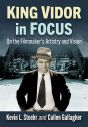
King Vidor in Focus (2024)
On the Filmmaker's Artistry and Vision
by Kevin L. Stoehr and Cullen Gallagher
Subject: Director > King Vidor
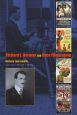
Richard E. Norman and Race Filmmaking (2013)
Subject: Director > Richard E. Norman
Writing Himself Into History (2000)
Oscar Micheaux, His Silent Films, and His Audiences
by Pearl Bowser and Louise Spence
Subject: Director > Oscar Micheaux

 Back
Back

