

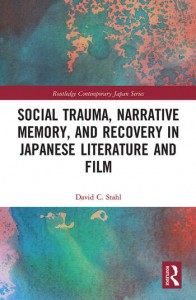
Social Trauma, Narrative Memory, and Recovery in Japanese Literature and Film
by David Stahl


 (0 vote)
Average rating:
| 0 | rating |  = We can do without = We can do without |
| 0 | rating |  = Good book = Good book |
| 0 | rating |  = Excellent book = Excellent book |
| 0 | rating |  = Unique / a reference = Unique / a reference |
Your rating: -
Book Presentation:
This book provides a comprehensive analysis of major works in Japanese literature and film through the interpretive lens of trauma and PTSD studies. Focusing critical attention on the psychodynamics and enduring psychosocial aftereffects of social trauma, it also evaluates the themes of dissociation, failed mourning, and psychological defence fantasies.
Building on earlier studies, this book emphasizes the role of protagonists in managing to effect partial recovery by composing memoirs in which they transform dissociated traumatic memory into articulate, narrative memory or bring about advanced recovery by pioneering alternative means of orally communicating, working through, and overcoming debilitating personal histories of traumatization and victimization. In so doing, Stahl also demonstrates that what holds true on the individual and microcosmic level, also does so on the collective and macrocosmic level.
This new critical approach sheds important new light on canonical Japanese novels and films and enables recognition and appreciation of integral psychosocial aspects of these traumatic narratives. As such, the book will be of huge interest to students and scholars of Japanese film and literature, as well as those of trauma studies.
About the Author:
David C. Stahl is Professor of Japanese Literature and Cinema at Binghamton University, USA. His publications include Trauma, Dissociation and Re-enactment in Japanese Literature and Film (2017) and The Burdens of Survival: Ōoka Shōhei’s Writings on the Pacific War (2003).
See the publisher website: Routledge
> From the same author:
> On a related topic:
The Image and the Witness (2007)
Trauma, Memory, and Visual Culture
Dir. Frances Guerin and Roger Hallas
Subject: Theory
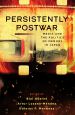
Persistently Postwar (2019)
Media and the Politics of Memory in Japan
Dir. Blai Guarné, Artur Lozano-Méndez and Dolores P. Martinez

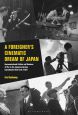
A Foreigner's Cinematic Dream of Japan (2022)
Representational Politics and Shadows of War in the Japanese-German Coproduction New Earth (1937)
by Iris Haukamp
Subject: Countries
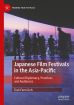
Japanese Film Festivals in the Asia-Pacific (2024)
Cultural Diplomacy, Practices and Audiences
Subject: Festivals
Dialectics without Synthesis (2020)
Japanese Film Theory and Realism in a Global Frame
Subject: Theory

Post-Traumatic Stress Disorder in Film and Media (2025)
Digital Cultures and the Politics of Time and Memory
by Jason Lee
Subject: Sociology
 Back
Back